
Theo Simon · 4 October 2026
Navigating Seasonal Demand Shifts through Adaptive Data Layering in Specialized Online Marketplaces
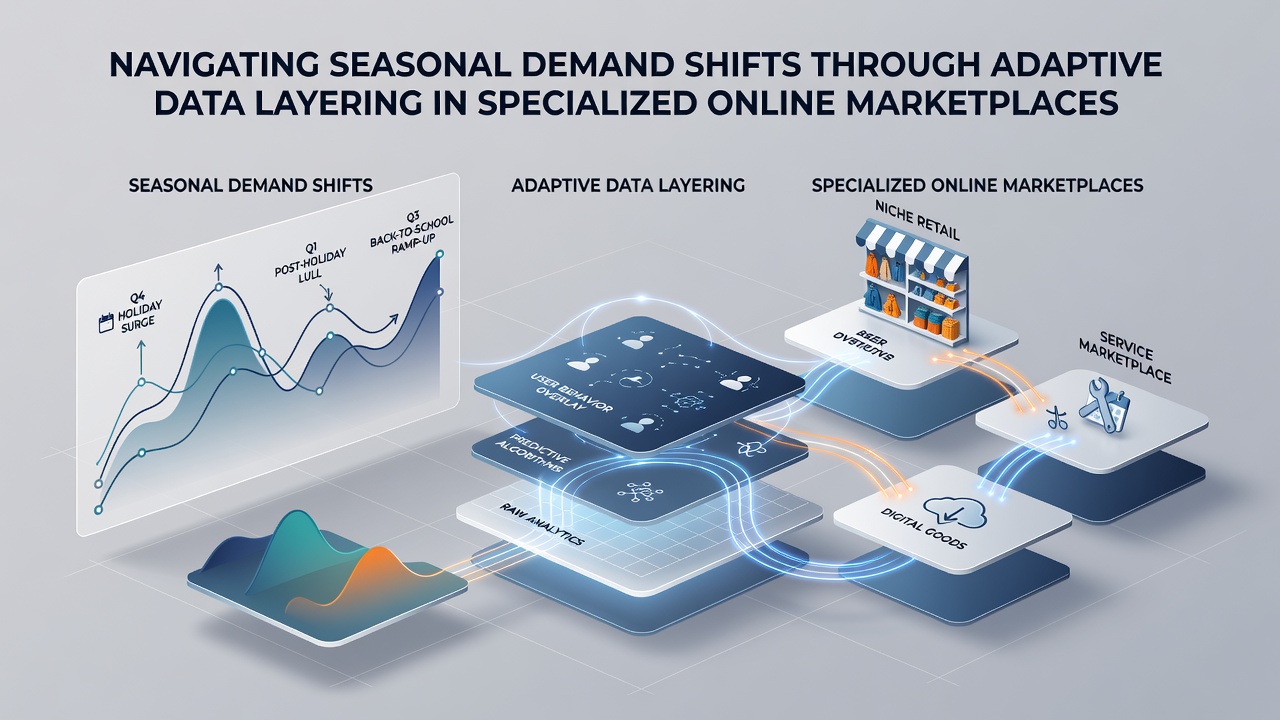
Specialized online marketplaces experience predictable yet complex fluctuations in buyer behavior tied to calendar events, weather patterns, and cultural cycles, and adaptive data layering provides a structured approach that stacks multiple data streams into responsive models. Researchers have documented how platforms handling niche categories such as vintage apparel, specialty foods, or hobby equipment see demand spikes that traditional forecasting often underestimates by 15 to 30 percent during peak months, according to retail analytics compiled by the US Census Bureau. This method organizes raw transaction logs, inventory feeds, search trends, and external indicators into hierarchical layers that update in near real time, allowing operators to reallocate resources without rebuilding entire systems from scratch.
Core Components of Data Layering
Adaptive data layering begins with a base layer of historical transaction records that establish baseline patterns for each product category, while a middle layer incorporates live signals from user sessions, cart additions, and regional weather feeds, and an outer layer pulls in macroeconomic indicators and competitor pricing shifts. Those who manage these systems note that the layering process relies on modular APIs that let teams swap or weight individual data sources as conditions change, which becomes especially useful when October 2026 approaches and platforms prepare for overlapping holiday promotions and end-of-year inventory clearances. Studies from the Australian Bureau of Statistics show that marketplaces integrating weather and event data into their middle layers reduced stockouts by nearly 22 percent during comparable seasonal windows in prior years.
Implementation in Niche Categories
Operators in specialized segments such as outdoor gear or collectible trading cards have reported success when they segment their data layers by customer cohort rather than treating all traffic as uniform. One study revealed that separating recreational buyers from professional resellers allowed algorithms to apply different demand multipliers, because reseller activity tends to surge earlier in the season while consumer purchases cluster closer to actual events. Platforms achieve this by maintaining separate sub-layers for each cohort, then merging outputs through weighted consensus rules that adjust automatically when volume thresholds are crossed. The result appears in smoother fulfillment pipelines and fewer emergency restocking orders, particularly when October 2026 brings forward-shifted back-to-school campaigns that overlap with early holiday browsing.
Technical Adjustments During Peak Periods
During high-pressure windows, the outer layer of the system continuously recalibrates the influence of each underlying source, which prevents older historical data from overpowering fresh signals. Industry reports indicate that marketplaces applying dynamic weighting cut forecast error margins from 18 percent to under 9 percent across multiple categories. When sudden regional events occur, such as unexpected early snowfalls affecting winter apparel demand, the middle layer can elevate local search volume and social mentions above national averages, triggering inventory transfers between warehouses within hours rather than days. Observers note that this responsiveness depends on clean data pipelines and regular validation checks that flag anomalies before they propagate through the model.
Integration with External Benchmarks
Linking internal layers to authoritative external datasets strengthens accuracy over time. Data from Statistics Canada on cross-border e-commerce flows, for instance, helps North American marketplaces anticipate how currency movements and tariff changes will influence seasonal import volumes of specialty goods. Similarly, academic papers published by research groups at European universities have examined how cultural events such as music festivals or harvest periods create micro-seasonal spikes that standard retail calendars miss. Platforms that map these external benchmarks into their outer data layer gain early visibility into emerging patterns, allowing preemptive adjustments to marketing spend and supplier contracts before competitors react.
Operational Outcomes and Measurement
Marketplaces that adopt adaptive layering track success through metrics that span both accuracy and responsiveness, including mean absolute percentage error on forecasts, time-to-restock for high-velocity items, and revenue capture during the first 48 hours of a demand surge. Figures released by the OECD on digital trade highlight that firms using layered analytics consistently outperform peers on these measures during volatile quarters. Teams often run parallel simulations on historical data to test layer weightings before applying them live, which reduces the risk of overcorrection when conditions shift rapidly. Those who have implemented the approach describe the process as iterative, with quarterly reviews that retire underperforming data sources and introduce new indicators as marketplace categories evolve.
Conclusion
Adaptive data layering equips specialized online marketplaces with a scalable framework for managing seasonal demand shifts by organizing information into responsive, interconnected tiers that update continuously. Research from multiple national statistical agencies and academic institutions demonstrates measurable improvements in forecast precision and inventory efficiency when these systems incorporate both internal transaction data and relevant external benchmarks. As October 2026 approaches, platforms that maintain flexible layering architectures stand positioned to handle overlapping seasonal pressures with greater stability, provided they continue refining data quality and weighting rules in response to observed performance.